
What You're Dealing With
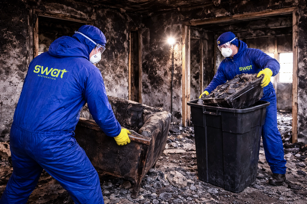
Fire damage doesn't end when the flames go out. In multi-unit buildings, hidden damage is often more extensive than the visible:
Smoke residue migrating through shared ventilation far from the fire source
Acidic soot corroding metal fixtures and surfaces after the event
HVAC systems distributing smoke particles throughout the building
Persistent odors in elevator shafts, stairwells, and common areas
Cross-contamination from improper cleaning methods
Our Process
1
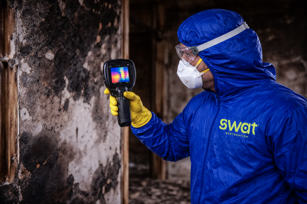
Site Stabilization & Hazard Evaluation
Structural and electrical assessment before any work begins.
2
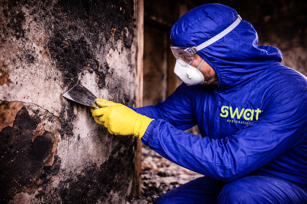
Air Purification & Soot Removal
Multi-stage HEPA filtration and chemical treatment to eliminate particles and odors.
3
Water Mitigation
Immediate drying of suppression water to prevent secondary damage.
4
Deodorization
Eco-friendly agents that neutralize VOCs and harmful residues — not just mask them.
5
Contractor Coordination
Seamless handoff to reconstruction teams with full documentation.
Types of Smoke Damage
Dry Smoke
High heat, fast-burning fires
Powdery residue that spreads easily across surfaces and into cracks.
Dry cleaning methods
Wet Smoke
Low heat, smoldering fires
Sticky, smeary residue that is significantly harder to remove and penetrates deeply.
Wet agents & degreasers
Protein Smoke
Kitchen fires
Nearly invisible residue but produces an extreme, persistent odor that standard cleaning misses.
Enzyme deodorization
Fuel Oil Soot
Furnace puff-backs
Heavy black coating that requires industrial-grade solvent treatment throughout.
Industrial solvents
Restoration Timeline
Days 1–2
Immediate Response
Emergency board-up and tarping if needed
Water extraction and initial air filtration
Structural safety evaluation and damage assessment
Days 3–7
Deep Restoration
Complete soot removal from all surfaces
Deep cleaning of affected contents
HVAC system cleaning; deodorization begins
Weeks 1–4
Finalization & Handoff
Final deodorization treatments
Reconstruction coordination
Air quality verification and project documentation