

What You're Dealing With
Every hour that passes increases the cost of repair — and the risk of mold:
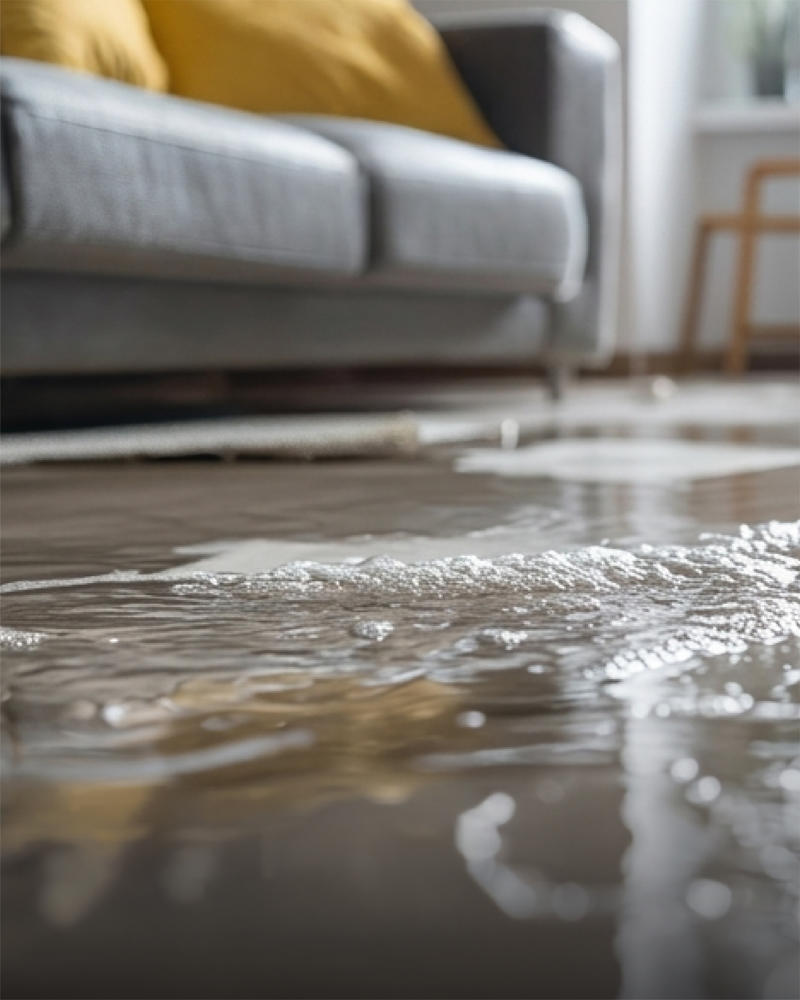
Water saturates walls, floors, and structural materials within minutes
Drywall begins to swell and break down within hours
Mold spores activate and begin growing within 24–48 hours
Structural integrity compromised and costs escalate beyond 48 hours
Our Process
1
Emergency Containment & Shut-Off
Immediate action to prevent spread and eliminate the source of water intrusion.
2
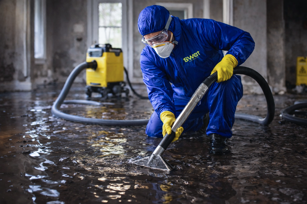
Extraction & Drying
Commercial-grade, energy-efficient equipment for faster results with less disruption to occupants.
3
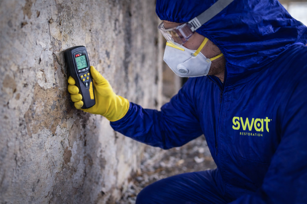
Thermal Moisture Mapping
Non-invasive detection of hidden moisture inside walls, ceilings, and floors using thermal imaging.
4
Site Supervision & Final Documentation
Continuous monitoring and comprehensive photo documentation for insurance claims.
Water Damage Categories
Category 1
Clean Water
Burst supply lines, appliance failures, rainwater
The least contaminated. Fast response prevents escalation to higher categories.
Standard extraction & drying
Category 2
Grey Water
Dishwasher discharge, sump pump failures, toilet overflow without feces
Requires disinfection and specialized handling to prevent health risks.
Disinfection + specialized handling
Category 3
Black Water
Sewage backups, flooding, toilet backflows with feces
Highly unsanitary — full PPE and containment protocols required at all times.
Full PPE + containment protocols
The Water Damage Timeline
0–24h
First 24 Hours
Act NowWater saturates walls, floors, and structural materials
Drywall begins to swell and break down
Furniture finishes release and stain flooring
Musty odors begin to appear
24–48h
24–48 Hours
EscalatingMold spores activate and begin to grow
Wood flooring swells and warps
Paint blisters; wiring becomes compromised
48h+
48+ Hours
CriticalMold spreads visibly; health risks escalate
Structural integrity of wood members begins to compromise
Restoration costs rise sharply — replacement becomes likely
Our rapid response targets intervention within the first critical window, dramatically reducing damage scope and recovery costs.